
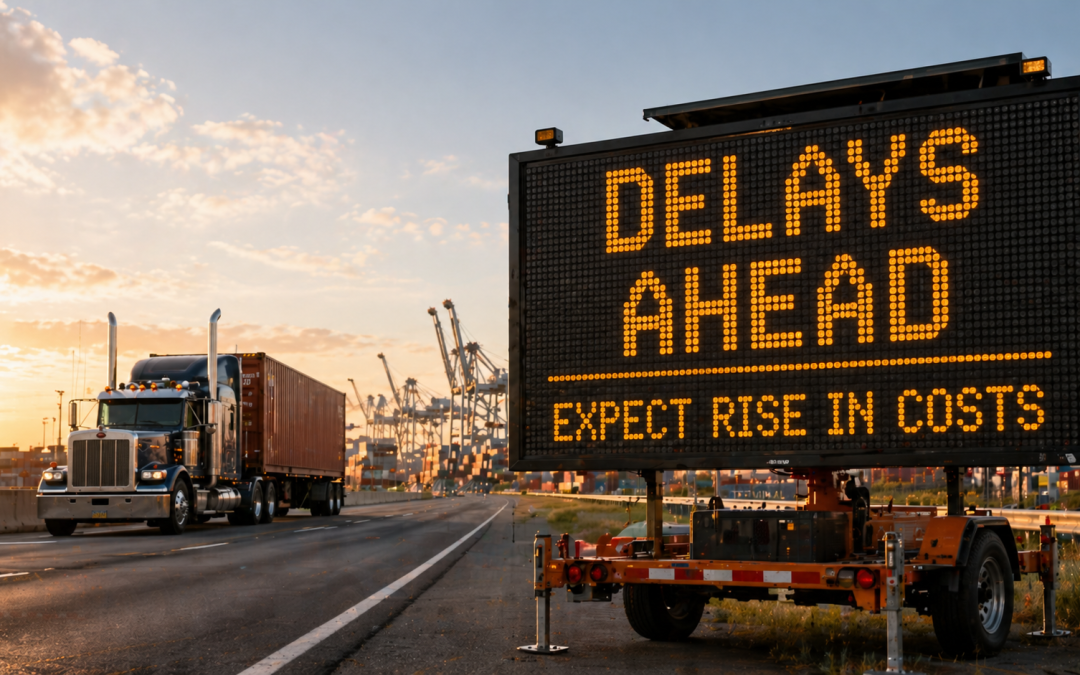
Drayage delays are one of the most common and costly issues in container drayage, often caused by factors that happen before the move even begins. Most teams assume delays happen at the port, but the reality is they usually start during planning.
Here’s the truth: the biggest delays in drayage aren’t random—they’re predictable.
This guide is for U.S. shippers and freight forwarders who want to understand what actually causes drayage delays and how to prevent them before they impact timing, cost, and customer expectations.
Executive Summary
Drayage delays are often preventable because the root causes are usually known before the container is ever picked up. Here are the key factors that lead to delays:
- Most drayage delays begin before booking, not during the move
- Container availability issues are one of the most common causes
- Chassis shortages can delay even well-planned moves
- Timing mistakes around last free day create avoidable disruptions
- Port and rail congestion can amplify small planning errors
- Standardizing pre-booking checks helps reduce delay risk significantly
Table of Contents
- Where Drayage Delays Actually Start
- 5 Most Common Causes of Drayage Delays
- Why These Delays Are Often Preventable
- How to Prevent Drayage Delays Before They Happen
- How a Drayage Checklist Helps Prevent Delays
- Key Takeaways
- FAQs
Where Drayage Delays Actually Start
Most drayage delays are assumed to happen during the move, but they typically begin before a truck is ever dispatched.
Before Booking vs During the Move
While delays at ports and ramps do happen, the majority of disruptions are tied to decisions made during planning. When timing, availability, or equipment conditions are not confirmed early, those gaps show up later as delays.
Why Most Delays Are Predictable
Delays often follow patterns. Containers that are not actually available, chassis shortages in certain regions, and missed timing windows are all known risks. The issue is not unpredictability—it is lack of visibility in drayage operations before booking.
5 Most Common Causes of Drayage Delays
Understanding the root causes of drayage delays is the first step in preventing them.
1. Container Not Available for Pickup
One of the most frequent causes of delays is assuming a container is available when it is only scheduled to be. If the container has not been released or processed, the move cannot happen, regardless of booking.
2. Chassis Shortages at Ports and Ramps
In certain locations, chassis supply can be limited. Even if the container is ready, a lack of equipment can delay pickup or force changes that impact timing and cost.
3. Last Free Day Mismanagement
Timing mistakes around last free day (LFD) can create immediate pressure. If pickup is delayed beyond the allowed window, it can trigger additional charges and limit scheduling flexibility.
4. Port Congestion and Terminal Backlogs
Congestion at ports and rail ramps increases wait times and reduces efficiency. This can delay pickups, extend turnaround times, and make scheduling less predictable.
5. Miscommunication Between Parties
Drayage involves multiple parties, including forwarders, carriers, terminals, and customers. When information is incomplete or miscommunicated, it can lead to missed pickups, incorrect scheduling, and avoidable delays. Understanding what freight brokers monitor in drayage can help reduce these gaps.
Why These Delays Are Often Preventable
Most drayage delays are not caused by unexpected events. They are caused by missing or incomplete information during the planning stage.
Lack of Visibility Before Booking
When teams do not have clear visibility into container status, equipment conditions, or terminal activity, decisions are made based on assumptions instead of facts.
Relying on Incomplete Information
Even small gaps in information—such as not confirming availability or timing—can create larger issues once the move is scheduled.
Delayed Decision-Making
Waiting too long to confirm or book a move can reduce options and increase the likelihood of delays, especially in high-volume or congested locations.
How to Prevent Drayage Delays Before They Happen
Preventing delays starts with improving how decisions are made before booking.
1. Confirm Container Status Early
Verifying that a container is truly available—not just scheduled—helps eliminate one of the most common causes of delays.
2. Check Equipment Conditions at Location
Understanding chassis availability at the pickup location ensures the move can actually be executed when planned.
3. Plan Around Timing Constraints
Accounting for last free day and terminal timing allows teams to schedule moves with enough buffer to avoid disruptions.
4. Avoid Last-Minute Booking Decisions
Rushed decisions often lead to missed details. Planning ahead—and using tools like Book Now drayage pricing—creates more control over timing and reduces the likelihood of delays.
How a Drayage Checklist Helps Prevent Delays
A structured drayage checklist helps teams standardize the way they evaluate each move before booking.
Instead of relying on memory or incomplete information, teams can consistently check availability, timing, equipment, and risk factors. This reduces variability, improves coordination, and helps catch issues before they turn into delays.
If you want a simple framework your team can use on every move, use a drayage checklist before booking.
Key Takeaways on Drayage Delays
- Most drayage delays begin before the move is booked
- Container availability and chassis shortages are leading causes
- Timing mistakes around last free day create avoidable pressure
- Many delays are predictable with the right visibility
- Standardizing planning decisions helps reduce delay risk
Drayage Delay FAQ
What causes drayage delays?
Why is my container not available for pickup?
How can I avoid drayage delays?
Do chassis shortages cause delays?

FMI Outlines Drayage Documentation Priorities After Court Ruling
Executive Summary: A federal appeals court decision involving detention charges during a three-day Port of Savannah closure underscores why the operating record behind a container move matters. Freight Management Inc. identifies five documentation priorities for...

How to Manage Multi-Container Drayage With One Coordinated Process
To manage multi-container drayage effectively, U.S. shippers and freight forwarders need more than separate pickup plans for each container. They need one coordinated process for the different timing requirements, handoffs, exceptions, documents, and charges those...

How to Choose a Drayage Broker: 10 Questions to Ask Before You Book
Knowing how to choose a drayage broker means looking beyond the opening rate and determining whether the provider can actually execute, monitor, and manage the container move when conditions change. For U.S. shippers and freight forwarders, the right selection process...