

Freight Management Inc recently highlighted a growing issue across U.S. supply chains: limited visibility in drayage operations. As costs, timelines, and customer expectations continue to increase, gaps in visibility are becoming more difficult for businesses to manage.
This follows earlier insights from the company’s broader freight management approach to freight coordination and visibility.
Drayage, the movement of freight between ports, rail yards, and distribution points, has become a critical control point in modern logistics. Congestion at major ports and intermodal hubs, combined with rising accessorial charges such as demurrage and detention, has made it more difficult for businesses to predict both timing and total landed cost.
Why Drayage Visibility Is Becoming a Major Issue
In response to these challenges, companies are placing greater emphasis on understanding where freight is at every stage of the journey and how charges accumulate across the transportation process. Visibility into both cost and movement is becoming a major factor in selecting logistics partners, particularly as tariffs and global trade conditions continue to pressure margins.
Businesses that lack clear insight into drayage operations often face delays, unexpected charges, and inefficiencies that are difficult to identify until after they have already impacted delivery performance and cost control.
How Port Congestion and Costs Are Increasing Risk
Congestion at ports and rail ramps continues to create unpredictable conditions for freight movement. As containers sit longer than expected, charges such as demurrage and detention can accumulate quickly, increasing total shipping costs and creating more pressure on already strained supply chains.
Without clear visibility into container status and timing, businesses are often forced into reactive decision-making. This lack of transparency makes it harder to control costs, maintain reliable delivery schedules, and address problems before they become expensive disruptions.
The Impact of E-Commerce and Reverse Logistics
The rapid growth of e-commerce has added another layer of complexity. Return activity has increased in recent years, creating more freight movement through networks that are already dealing with congestion, coordination issues, and tighter delivery expectations.
This shift has intensified the need for better coordination and transparency across both outbound and reverse logistics. As more freight moves through the same infrastructure, the margin for error becomes smaller and the cost of limited visibility becomes harder to ignore.
Why Fragmented Systems Create Blind Spots
Despite the growing need for visibility, many organizations still rely on fragmented systems that provide only partial insight into drayage operations. Information is often spread across multiple providers, making it difficult to track container movement from port to rail to final destination with confidence.
As a result, delays, unexpected charges, and operational inefficiencies are frequently treated as unavoidable rather than preventable.
“Businesses don’t struggle with moving freight—they struggle with understanding everything happening around it,” said Bob Mayo of Freight Management Inc. “When you can clearly see how freight is moving, what it costs at each step, and where delays are happening, you gain the ability to make better decisions and avoid problems that would otherwise go unnoticed.”
How Visibility Improves Supply Chain Performance
Improving visibility across drayage operations often involves creating a clearer view of freight movement across major ports, rail ramps, and inland routes, along with more transparent access to associated charges. This level of insight helps businesses anticipate disruptions earlier and respond with more control.
It also helps uncover inefficiencies that often remain hidden in day-to-day operations. Labor costs, gaps between systems, and communication delays can all contribute to increased expenses and missed timelines. As supply chains become more complex, identifying and reducing these inefficiencies is becoming a higher priority.
Freight Management Inc supports businesses by improving coordination and visibility throughout the drayage process. Companies looking to better manage port, rail, and first-mile freight can learn more about FMI’s drayage services and explore its broader freight management solutions.
Why Visibility Is No Longer Optional in Drayage
As supply chain demands continue to intensify, visibility across drayage operations is becoming less of a competitive advantage and more of a requirement. Businesses that gain clearer insight into how freight moves and what it truly costs are better positioned to navigate uncertainty, control expenses, and meet evolving customer expectations.
For organizations trying to reduce surprises at ports, rail ramps, and inland handoff points, clearer visibility is no longer just helpful. It is becoming essential to maintain performance, protect margins, and improve customer service.
Frequently Asked Questions
What is drayage visibility?
Drayage visibility is the ability to clearly see where freight is during short-haul container moves between ports, rail yards, warehouses, and distribution points. It also includes visibility into delays, accessorial charges, and status changes that can affect timing, cost, and delivery performance across the supply chain.
Why is visibility important in drayage operations?
Visibility is important because drayage delays and charges can escalate quickly when businesses do not know where containers are, what stage they are in, or what issues are developing. Better visibility helps reduce avoidable costs, improve planning, and support faster decisions when disruptions occur.
What causes blind spots in drayage logistics?
Blind spots often happen when shipment data is spread across multiple providers, systems, and communication channels. When businesses rely on fragmented updates from ports, carriers, rail ramps, and warehouses, it becomes harder to see the full picture and identify inefficiencies before they affect cost and service.
How do demurrage and detention relate to drayage visibility?
Demurrage and detention charges often increase when container timing is not tracked closely enough. Limited visibility makes it harder to know when containers must be moved, returned, or cleared. That can lead to missed deadlines, added fees, and more reactive logistics decisions than many businesses can afford.
How can better drayage visibility improve supply chain performance?
Better drayage visibility can improve supply chain performance by helping companies anticipate delays, understand charges earlier, reduce communication gaps, and improve coordination across ports, rail ramps, and final delivery points. That leads to stronger cost control, more predictable service, and fewer disruptions across freight operations.
For more information about Freight Management Inc, visit https://gofmi.com/company/.
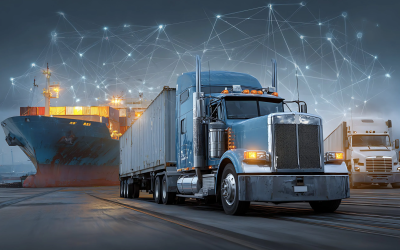
Freight Management Inc Marks 40 Years Supporting Businesses in an Evolving Logistics Environment
Freight Management Inc recently announced a milestone reflecting more than four decades of experience supporting businesses navigating complex logistics operations and supply chain visibility challenges. Freight Management Inc., a U.S.-based freight brokerage with...
What Freight Brokers Monitor in Drayage That Carriers Miss
If you manage import or export drayage directly with small carriers, you likely assume that once a truck is dispatched, the move is being actively watched. The pickup is scheduled. The driver is assigned. The container is on someone’s board. Yet demurrage still...
Export Drayage ERD: Why Meeting Cutoff Is Mostly a Myth
Export drayage ERD failures are rarely caused by missed deadlines. They’re caused by treating Early Return Dates like guarantees instead of volatile operational signals. In real-world export logistics, containers miss cutoff even when bookings are correct, freight is...